
Key Takeaways
- Ectopic pregnancy is a serious condition where a fertilized egg implants outside the uterus, most commonly in the Fallopian tube, and requires immediate medical attention to prevent life-threatening complications.
- An ectopic pregnancy can still produce a positive pregnancy test because the body releases hCG hormones, making an ultrasound essential for accurate diagnosis and confirmation of pregnancy location.
- Common ectopic pregnancy symptoms include pelvic pain, bleeding, dizziness, shoulder pain, and fainting, especially as the pregnancy progresses or if it ruptures, which can cause life-threatening complications.
- Before taking the abortion pill or making pregnancy decisions, it is critical to rule out an ectopic pregnancy through medical-grade pregnancy testing and ultrasound evaluation.
Ectopic pregnancies can cause serious complications if you don’t get treatment. Whether you are planning to carry or terminate your pregnancy, it’s important to rule out this condition first. An ectopic (tubal) pregnancy will test positive and may seem like a normal pregnancy at first, so it’s critical to get an ultrasound as soon as you have a positive pregnancy test.
What is an ectopic pregnancy?
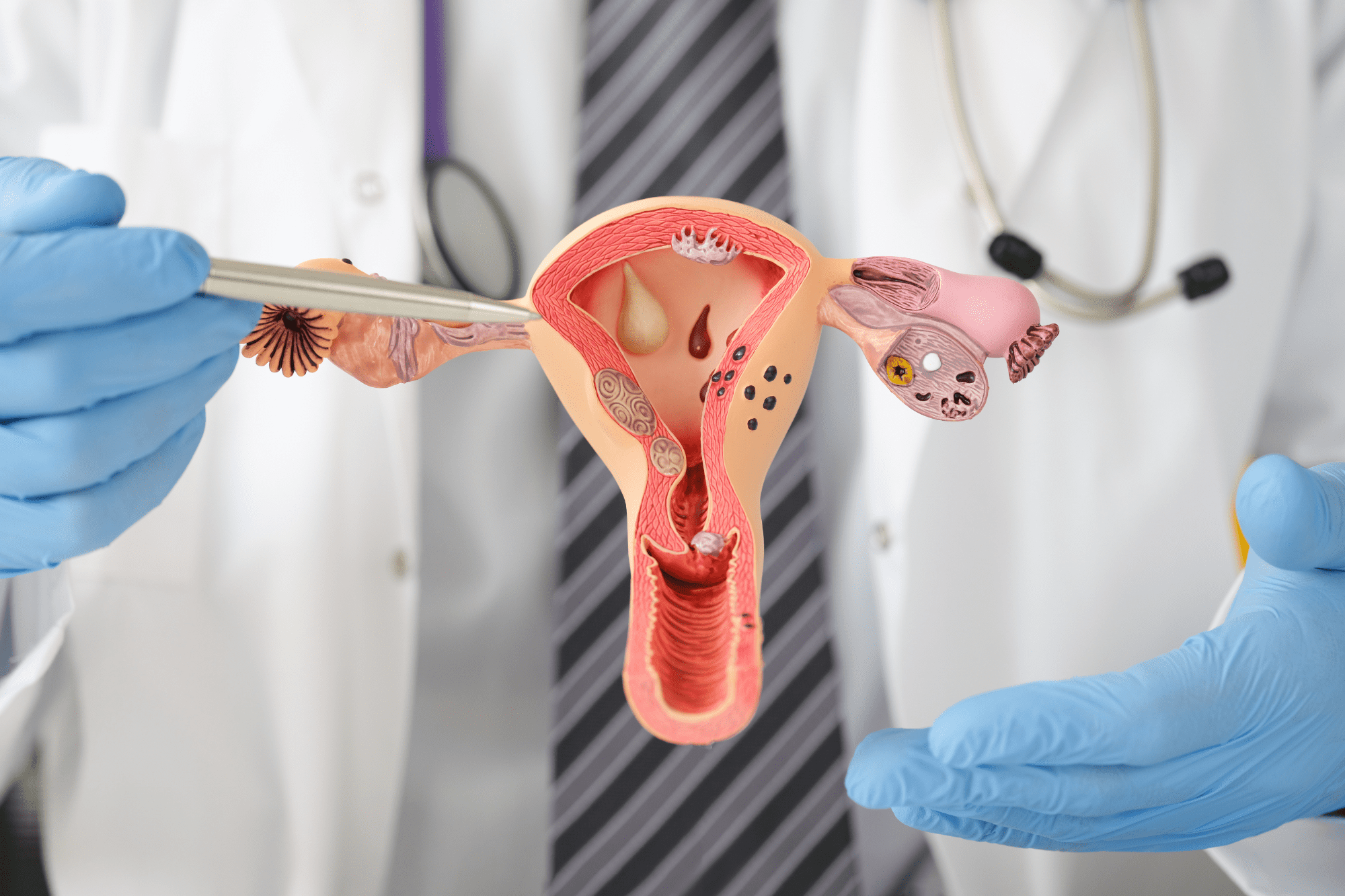
An ectopic pregnancy happens when the fertilized egg implants outside of the uterus. In most cases, it will implant in one of the Fallopian tubes, which is why this condition is also called a tubal pregnancy. The fertilized egg can also implant in other parts of the body, including the cervix, ovary, and abdominal cavity.
Understanding the ectopic pregnancy meaning is crucial. As the embryo grows, it will strain the tissue around it. The uterus is designed to stretch as the pregnancy develops, but your Fallopian tubes are not. If you don’t get treatment, the tissue may rupture. A ruptured ectopic pregnancy can cause internal bleeding and infections, so it requires immediate emergency treatment. You will need either medication or surgery, along with close medical monitoring, to prevent potentially life-threatening complications.
An ectopic pregnancy can happen at random, but there are also some risk factors that may increase your chances of developing this condition. Common tubal pregnancy causes include smoking, pelvic inflammatory disease (PID), fertility treatments, IUDs, Fallopian tube surgeries, and previous ectopic pregnancies.
How do pregnancy tests work?
It’s helpful to know how pregnancy tests work before answering the question “Will an ectopic pregnancy test positive?”
When a woman becomes pregnant, her body will produce a hormone called human chorionic gonadotropin (hCG). This hormone is only present after a fertilized egg implants. Both blood and urine pregnancy tests will only show a positive result if they detect hCG.
Home pregnancy tests are typically effective about a month after your last period. Medical-grade tests are more sensitive and can identify a pregnancy even earlier and with greater accuracy.
If you have had a positive at-home pregnancy test or think you might be pregnant, visiting a clinic is your best next step. At our clinic, for example, we will confirm your pregnancy with a medical-grade test and can then perform an ultrasound to see if your pregnancy is within your uterus. You can get the information you need to protect your health and decide what you want to do next.
Will an ectopic pregnancy test positive?

Yes, ectopic (tubal) pregnancies test positive, which makes them impossible to diagnose at home. Though the pregnancy is not viable, your body will still produce hCG.
Sometimes, this condition will lead to lower levels of this hormone, which can cause delayed or faint positive results on the test. You may also see these results with an early pregnancy or miscarriage, so you can’t rely on a pregnancy test to identify or rule out a tubal pregnancy.
Signs and symptoms of an ectopic pregnancy
Ectopic pregnancy symptoms are usually identical to a typical pregnancy in the early weeks. You might experience signs such as:
- Fatigue
- Nausea and vomiting (morning sickness)
- Missed period
- Fatigue
- Sensitivity to certain smells or tastes
As the embryo grows, however, women experiencing an ectopic pregnancy will have different symptoms, including:
- Sharp pain in the abdomen or pelvis
- Shoulder pain
- Pain on one side of the body
- Bleeding or spotting
- Dizziness or fainting
If you experience these symptoms, you should go to the emergency room immediately. These are often signs that the ectopic pregnancy has ruptured, and you may be experiencing internal bleeding.
How is a tubal pregnancy diagnosed?
A pregnancy ultrasound is usually the first step to diagnosing a tubal pregnancy. Even if you don’t think your pregnancy is ectopic, it’s important to have an ultrasound as soon as you think you’re pregnant to check for this condition.
During the ultrasound, the sonographer will look at your uterus to check the location and health of your pregnancy. If she has any concerns, she will refer you to a doctor for further treatment.

Is it safe to take the abortion pill with an ectopic pregnancy?
No, it is very dangerous to take the abortion pill with an ectopic pregnancy, especially if it hasn’t been diagnosed.
The abortion will end the pregnancy and stop the embryo’s growth, but the pregnancy tissue may remain inside your body since it is located outside the uterus. This retained tissue can cause a serious and potentially life-threatening infection without treatment.
Per the FDA’s guidelines, you should always make sure that you aren’t having a tubal pregnancy before taking the abortion pill.
Protect your health with an ultrasound today
You may feel like you don’t have time to check for an ectopic pregnancy, but your health must come first. Don’t risk serious complications by skipping this important step. Visit our clinic today to see if you qualify for a free ultrasound, options counseling, and more.
FAQs
Can an ectopic pregnancy test negative?
Yes, but it is rare. In very early stages, hCG levels may still be too low for detection, resulting in a negative pregnancy test.
Are hCG levels lower in ectopic pregnancies?
Often, yes. hCG levels in ectopic pregnancy cases may rise more slowly than in a typical pregnancy, though this is not always the case.
How early can an ectopic pregnancy be detected?
An ectopic pregnancy can often be detected around five to six weeks of pregnancy using transvaginal ultrasound and blood hCG testing.