
Key Takeaways
- Early pregnancy pain is common and often nothing to worry about. Sometimes, however, it can be a sign that something is wrong and you need immediate medical attention.
- Depending on the cause, this pain can feel like cramping, pressure, sharp pain, a pulling sensation, or stabbing pain. It may show up in different areas of your abdomen or your back.
- Common cause of early pregnancy pain include ectopic pregnancy, implantation, uterine growth, miscarriage, and digestive changes.
- Ectopic pregnancy and miscarriage can both threaten your health. They can also affect your need to have an abortion if you want to end your pregnancy. It’s crucial to have an ultrasound ASAP to make sure that your pregnancy is in your uterus and viable.
Pregnancy pain is not uncommon, but it can still be difficult to know the difference between minor discomfort and signs that something is wrong. More importantly, pain may indicate a serious problem that will affect your ability to carry or terminate your pregnancy safely.
In this blog, we’ll explain what can cause early pregnancy pain and what you should do if you experience this symptom.
What does early pregnancy pain feel like?
Early pregnancy pain causes can take different forms. You might feel cramping, pressure, sharp pain, a pulling sensation, or stabbing pain. Depending on the cause, you may feel this pain in different areas of your abdomen or back. If you are experiencing a condition such as an ectopic pregnancy, your pain may be concentrated in a specific area, such as one side of your pelvis.
No matter what kind of pain you’re experiencing, it’s important to listen to your body. If the pain is overwhelming or if something feels wrong, seek emergency medical attention immediately.

What causes pain in early pregnancy?
1. Ectopic pregnancy
The most serious cause of early pregnancy pain is ectopic pregnancy. It only affects 1-2% of pregnancies, but it requires immediate treatment to prevent life-threatening complications.
In a normal pregnancy, the fertilized egg implants in the uterus. Ectopic pregnancies, however, implant outside of the uterus. Often, the embryo will implant in one of the fallopian tubes, which is why you might hear this condition called a “tubal pregnancy.”
The uterus is designed to stretch and grow as your pregnancy progresses, but other organs, including the fallopian tubes, are not. As the embryo grows, it will put pressure on the surrounding tissue. If left untreated, this tissue will typically rupture. The woman will experience internal bleeding that likely requires emergency surgery to treat.
Early pregnancy pain on one side of your lower belly is the most common sign of an ectopic pregnancy. It may also cause pelvic or back pain. This pain may be mild at first, but it will grow worse as your pregnancy progresses. Other signs include vaginal bleeding and weakness or dizziness.
Additionally, you cannot take the abortion pill if you have an ectopic pregnancy. The medication will end the pregnancy, but it won’t remove the embryo from your body. This can lead to a serious infection that may become life-threatening. If you plan to take the abortion pill, you must have an ultrasound first to ensure the pregnancy is located in your uterus.
If you think you might have an ectopic pregnancy, seek care immediately.
2. Implantation
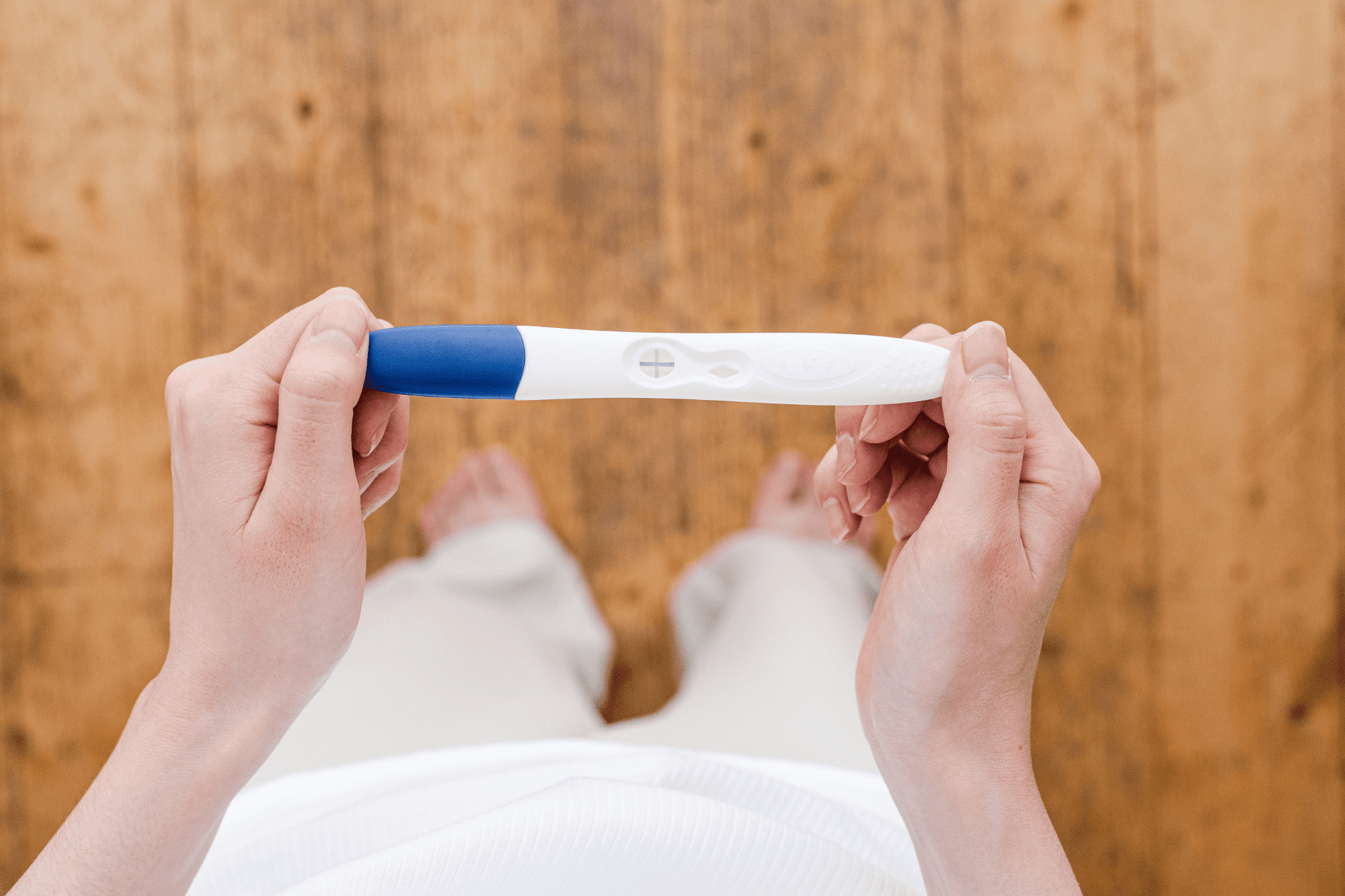
After fertilization, the embryo will implant into the wall of your uterus. Some women experience mild pain during implantation. About one week after ovulating, you may have slight cramping in the middle of your lower belly, similar to light period cramps. Typically, this pain only lasts one to three days. You may also have light implantation bleeding.
3. Uterine growth
As your pregnancy progresses, your uterus stretches to fit the growing embryo. During the first trimester, your uterus is about the size of a lemon. It will continue to grow until the pregnancy ends, reaching about the size of a watermelon by the end of a full-term pregnancy.
Though your uterus is still relatively small in the first few months of pregnancy, it is preparing to expand. You may experience mild cramping, twinges, or discomfort during these early weeks. Early pregnancy cramping without bleeding is normal and not a cause for worry.
4. Miscarriage
Pregnancies that end naturally can also cause pain in early pregnancy. You may experience symptoms such as:
- Uterine or pelvic pain
- Abdominal pain
- Vaginal spotting or bleeding
- Lower back pain
- Passing discharge or tissue from your vagina
An ultrasound can also reveal a likely miscarriage before you have these symptoms. Identifying a potentially non-viable (unhealthy) pregnancy allows you to seek further medical care or to avoid an unnecessary abortion.
If you believe you are having a miscarriage, seek medical care immediately.

5. Digestive changes
Unfortunately, pregnancy hormones can cause normal but annoying symptoms such as gas, bloating, and constipation. While harmless, these side effects can be uncomfortable. Make sure you drink enough water, eat fiber-rich foods, and research pregnancy-safe medications to help.
Should I worry about pain in early pregnancy?
Most of the time, pregnancy pain isn’t a cause for concern. If you plan to have an abortion, however, it’s important to check for potential risks such as an ectopic pregnancy first.
At Assured Women’s Healthcare in Orlando, you can get a free pregnancy test to confirm your pregnancy and see if you qualify for a free ultrasound. You’ll also learn about all your pregnancy options and receive information about helpful resources.
Make your free appointment at our clinic today.