
Key Takeaways
- Pregnancy ultrasounds use sound waves to create a picture of your uterus and pregnancy
- A pre-abortion ultrasound reveals important information that can affect your health, including whether you have a higher risk of abortion complications
- Your scan will show how far along you are, where your pregnancy is located, and if your pregnancy is healthy
Pregnancy ultrasounds aren’t just for pictures. These scans reveal important information about your pregnancy and health, including how far along you are and if you are at risk for complications. For both legal and health reasons, you need to know this information before having an abortion in Florida.
After confirming your pregnancy, an ultrasound should always be your next step. The information it reveals will help you determine the best choice for your pregnancy and alert you to potential health risks.
What is a pre-abortion ultrasound?
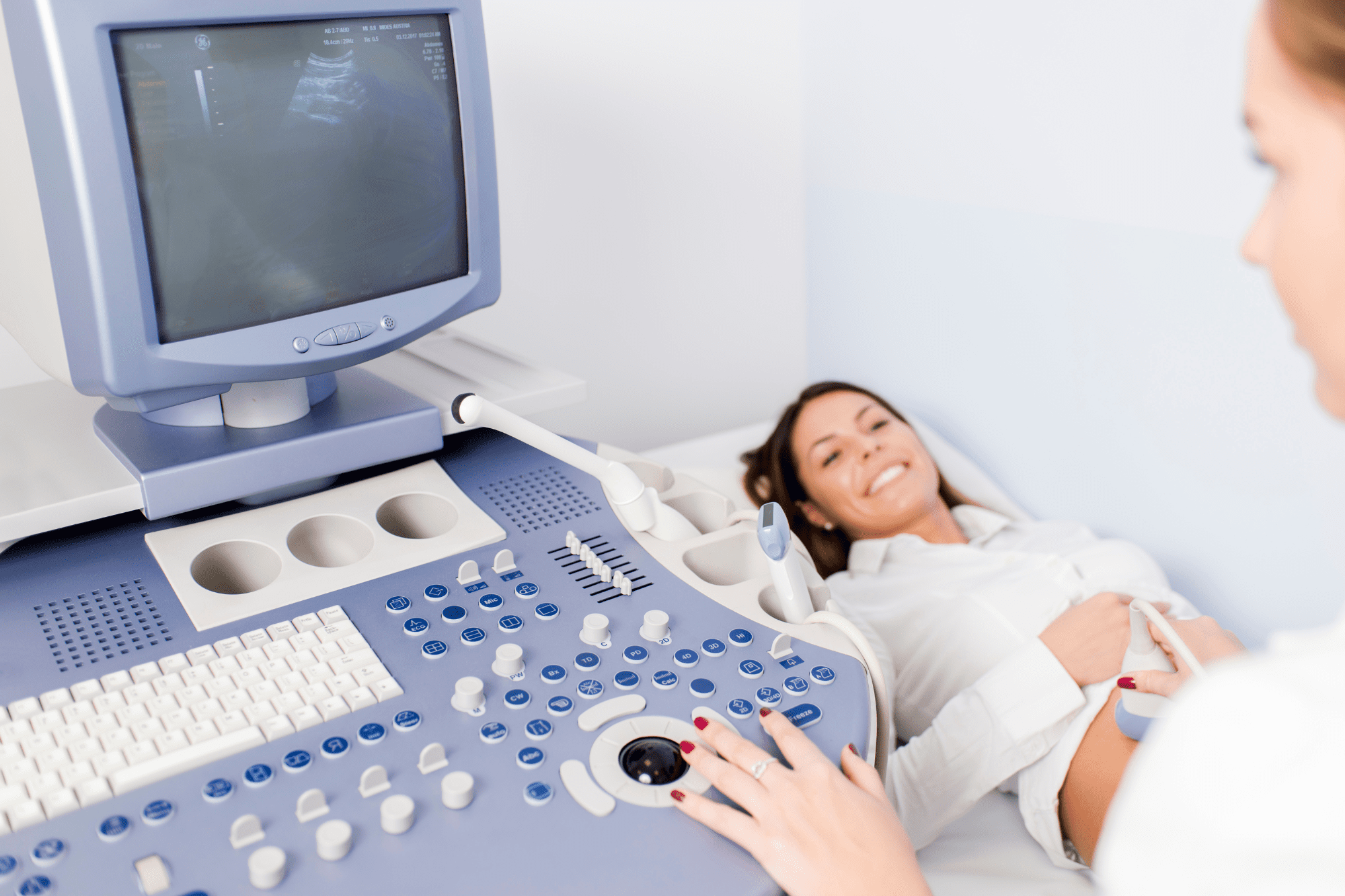
Pregnancy ultrasounds use sound waves to create a picture of what is happening inside your uterus. A sonographer, who is trained to understand this picture, uses a special wand-like tool (called a transducer) to send these sound waves into your body. But don’t worry! These waves are painless and harmless. You won’t even feel them.
There are two ways to scan a pregnancy. During the second and third trimesters, the sonographer can press the transducer to your lower stomach to see into your uterus. This is called an abdominal ultrasound.
In the first trimester, however, the pregnancy is often too small to see clearly through the abdomen. The sonographer may need to use a transvaginal ultrasound instead. She will insert a thin transducer into your vagina to get a closer look at your uterus. This scan typically offers better results for an early pregnancy.

Our sonographers talk our patients through every step of the ultrasound before the scan begins. We want you to feel comfortable and confident, so feel free to ask any questions you may have. Your sonographer will attempt an abdominal ultrasound before trying a transvaginal scan, if needed. She will talk you through every part of the process to make sure you feel comfortable. Though this scan isn’t painful, you can always ask to stop the exam or pause to ask more questions, no matter what.
What a pre-abortion ultrasound can actually tell you
1. How far along you are
Before you get an abortion, you must know how far along you are. Your gestational age determines which abortion procedure you can have and can affect the potential complications you face. For example, the FDA has only approved the abortion pill for use through the first 10 weeks of pregnancy. If you need a surgical abortion, your gestational age will determine whether you have a suction abortion, a dilation and evacuation abortion, or an induction abortion.
Additionally, Florida’s law only allows most abortions through the first six weeks of pregnancy.
To learn your pregnancy’s gestational age, you will need an ultrasound. The sonographer will take measurements of the pregnancy to determine exactly how far along you are. This is the only reliable way to date your pregnancy. We frequently see patients who are weeks, and even months, farther along than they thought. Using your last period to estimate your gestational age is not a reliable method.
2. Where your pregnancy is located
Typically, the egg and sperm meet in the Fallopian tube. The fertilized egg then travels to the uterus, where it implants and grows. Sometimes, however, it implants in the Fallopian tube or in another location outside of the uterus. This is called an ectopic pregnancy.
The uterus is designed to stretch and grow with the pregnancy, but other organs are not. As the embryo grows, an ectopic pregnancy may rupture and cause internal bleeding. Taking the abortion pill with this type of pregnancy can also cause complications. The pregnancy will end, but the tissue may remain inside your body. You may need surgery to remove the tissue and prevent a potentially life-threatening infection.
You must rule out an ectopic pregnancy before having a medication abortion.
During your ultrasound, the sonographer will make sure your pregnancy is located inside your uterus. If she can’t find the embryo, you will need to seek further care to determine a treatment plan.
3. If your pregnancy is viable
A viable pregnancy is healthy and likely to continue developing. A non-viable pregnancy is not healthy and is likely to end in a miscarriage.
Your sonographer will look for certain signs that the embryo is healthy and developing as expected. If she sees signs that your pregnancy isn’t viable, you may need further medical care to make sure you pass the pregnancy without issue. Additionally, you won’t need an abortion if your pregnancy ends naturally.
Do you need an ultrasound before an abortion?
Yes, you must have an ultrasound before having an abortion. An early pregnancy ultrasound will reveal crucial information about your pregnancy, health, and options. You can think of it as an abortion safety screening to protect your health and to help you make an informed decision.
If you think you are pregnant, come to our clinic for a free confirmation pregnancy test. You may also qualify for a free pregnancy ultrasound and STD testing and treatment. We’ll explain all of your options and offer resources for further help.