
Key Takeaways
- Sexual health includes more than avoiding STIs—it also involves understanding your body, protecting your emotional well-being, and maintaining healthy relationship boundaries.
- Learning about your menstrual cycle and fertility can help you make informed decisions about your reproductive health and reduce the risk of an unplanned pregnancy.
- Protecting yourself from sexually transmitted infections through condoms, testing, and prompt treatment is an important part of maintaining long-term reproductive health.
- Healthy relationships should include respect, honesty, and support—pressure, coercion, or abuse are never acceptable.
- If you think you may be pregnant or have an STI, seeking medical care early can help you understand your health and explore your next steps with accurate information and support.
Maintaining your sexual health involves more than practicing safe sex. It also includes understanding your body and making decisions that prioritize your health. By following these tips, you can build habits that help you protect your body, mind, heart, and future.
They can also help you prevent pregnancies that you aren’t ready for.
To avoid unhealthy sexual choices, use the tips below.
What does sexual health really mean?
When discussing sexual health, most people think about risks to the body. But physical health is only one part of the picture. The decisions you make about sex also affect your mental health, your relationships, and your emotional well-being.
Equally important are the decisions others make that affect your health. Creating and maintaining boundaries that reflect and respect your values is crucial. You deserve to be treated well—by yourself and others.
Tips for maintaining your sexual health
1. Understand your fertility
The best way to care for your body is to understand it. Learning about your fertility and menstrual cycle empowers you to make the best choices for your reproductive health and future.
While you are probably used to experiencing and managing your period, you may not be aware of the other phases of your menstrual cycle. A healthy woman’s cycle can range from 21 to 35 days, though 28 days is the average length. The four phases of your menstrual cycle include:
- Menses – This is your period, when your uterus sheds its lining and causes vaginal bleeding.
- Follicular – This phase also begins on the first day of your period and lasts until you ovulate. Hormonal changes in the follicular phase cause your uterine lining to thicken and tell your ovaries to prepare an egg for release.
- Ovulation – About two weeks after your period begins, your ovary will release a mature egg.
- Luteal – During this phase, your body will prepare for a potential pregnancy. The egg will travel to the uterus and, if it isn’t fertilized, will pass from your body. If it is fertilized and implants in your uterus, your body and hormones will adjust to support the developing pregnancy.

You can get pregnant at any point in your cycle, but you have a higher chance of conceiving during your fertile window. This includes the five days before you ovulate and the day the egg is released.
2. Protect yourself from sexually transmitted infections (STIs)

Using a condom during sex will help protect you from STIs, which are also known as sexually transmitted diseases (STDs). Unfortunately, this contraception isn’t always effective for STI prevention or even for avoiding pregnancy.
If you think you might have an STD, it’s important to seek treatment, especially if you’re pregnant. Having an abortion or giving birth with an untreated sexual infection can lead to serious and potentially long-term complications. If you are pregnant, you may qualify for STI testing and treatment at our clinic.
3. Practice healthy relationship habits
Sex always carries the possibility of pregnancy and sexually transmitted diseases. It’s important to limit your sexual partners to people you can trust to prioritize your reproductive and sexual wellness. If your partner isn’t willing to support you if you become pregnant, for example, he isn’t worthy of you or your time.
Additionally, healthy relationships should never include pressure, coercion, or abuse. You deserve to be respected and treated well, no matter what.
4. Learn how to avoid an unplanned pregnancy
Pregnancy doesn’t happen by accident, and vaginal sex always carries the risk of conception. You can lower your chances of getting pregnant by taking intentional precautions. Using a condom or another form of contraception can help you avoid an unplanned pregnancy, though only abstinence is 100% effective.
Natural family planning is another option for pregnancy prevention. By carefully tracking your cycle and avoiding sex during your fertile window, you have a better chance of avoiding pregnancy.
5. Know when to get medical care
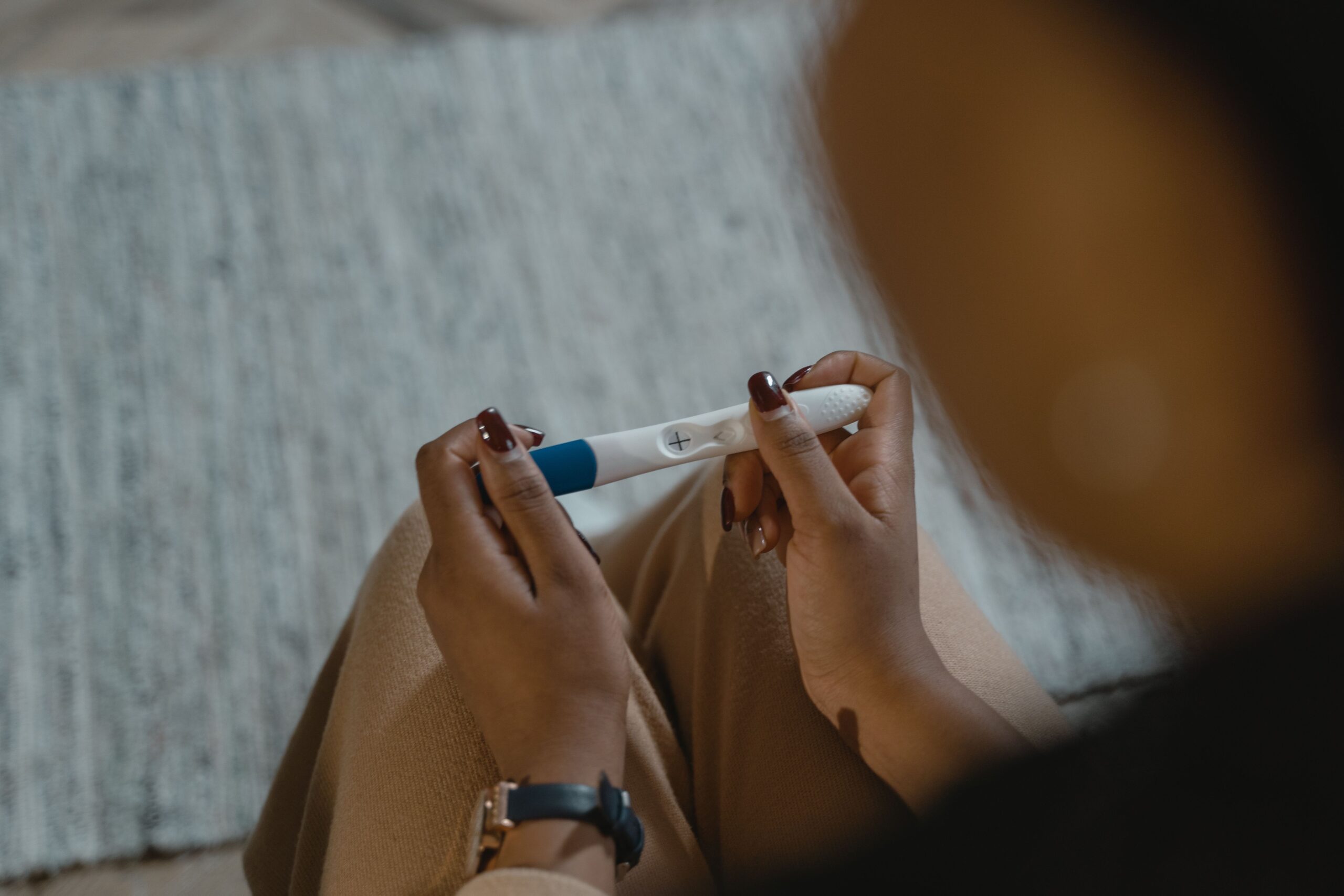
If you think you are pregnant or have an STD, testing is your best next step. If you have an infection, you can seek treatment to protect your sexual health. Confirming your pregnancy allows you to start preparing for your next steps. Your pregnancy options may change depending on the age and health of your pregnancy, so it’s crucial to visit a medical clinic for a pregnancy test and ultrasound.
At Assured Women’s Healthcare, we offer pregnancy tests, ultrasounds, STI testing and treatment, and options counseling to ensure you understand all your options. To access these no-cost services, schedule your appointment today.
Frequently asked questions
What is the best way to maintain sexual health?
The best way to maintain sexual health is to understand your body, practice healthy relationship habits, protect yourself from sexually transmitted infections, and seek medical care when needed. Sexual health involves caring for your physical, emotional, and reproductive well-being through informed choices and healthy boundaries.
Can sexually transmitted infections affect fertility?
Yes. Some untreated sexually transmitted infections can lead to complications that may affect fertility and reproductive health. Early testing and treatment are important for protecting your long-term health and reducing the risk of serious complications.
How can I reduce my risk of an unplanned pregnancy?
You can reduce your risk of an unplanned pregnancy by understanding your fertility, tracking your menstrual cycle, using intentional pregnancy-prevention methods, and making informed decisions about sexual activity. While methods such as condoms, other forms of contraception, and natural family planning can help lower the risk, abstinence is the only method that is 100% effective.
When should I seek medical care?
You should seek medical care if you think you may be pregnant, believe you may have a sexually transmitted infection, experience unusual symptoms, or have concerns about your reproductive health. Early testing and evaluation can help you receive appropriate care and understand your options.
Why is understanding my menstrual cycle important?
Understanding your menstrual cycle helps you recognize when you are most likely to become pregnant and allows you to make informed decisions about your reproductive health. Knowing the phases of your cycle can also help you identify changes that may be important to discuss with a healthcare provider.